Autonomia del sociale
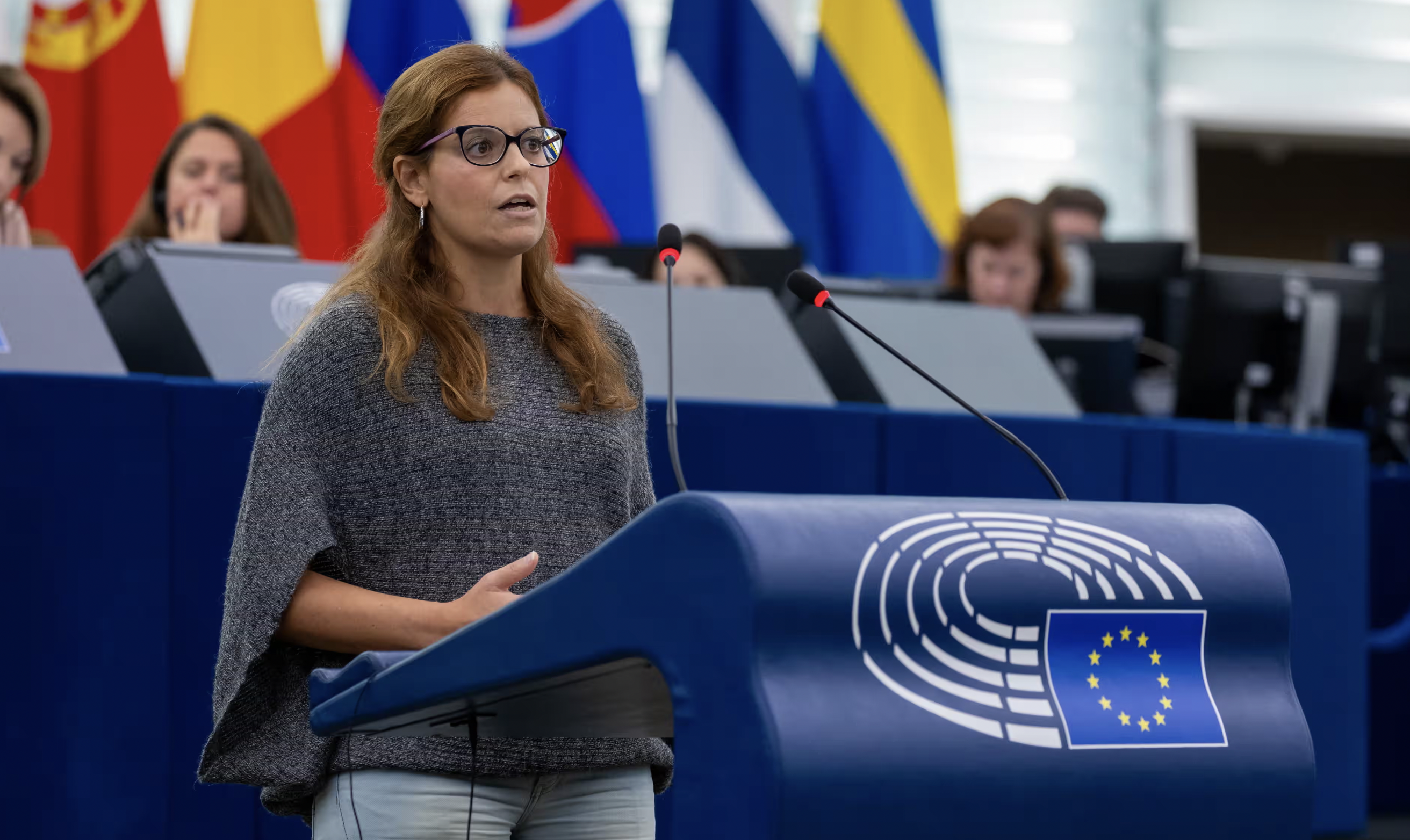
Le nostre società si compongono di una serie di istituzioni alle quali siamo tanto abituati da considerarle quasi naturali, mentre facciamo sempre più fatica ad applicare lo stesso pensiero su quello che si muove spontaneamente tra di noi. Perché? E come si rapportano tra di loro questi ambiti? Ne abbiamo parlato con Ilaria Salis, militante antifascista ed europarlamentare.
Nell’ultimo periodo la questione carceraria – di solito dimenticata – è stata al centro delle cronache per via della detenzione della giornalista Cecilia Sala in Iran, un regime considerato un “nemico” dell’Occidente. È innegabile che dal punto di vista mediatico e di dibattito politico questa vicenda sia stata trattata diversamente da quella che ti ha visto protagonista, o da quella dell’antifascista Gino Abazaj. Cosa pensi di questa differenza?
Per quanto sia stato assolutamente legittimo e doveroso l’impegno per riportare a casa Cecilia il più presto possibile, ritengo comunque profondamente ingiusto che queste situazioni siano state trattate in modo talmente differente. D’altra parte non sono neanche così sorpresa da questa differenza, anzi, mi avrebbe colpito di più se da un giorno all’altro si fosse vista la stessa mobilitazione anche per Gino – anche nel mio caso, la mia detenzione è diventata un tema importante nell’opinione pubblica italiana solo dopo che ero lì da quasi un anno. Questo dipende in primo luogo dalla natura spettacolarizzata della nostra società, per cui è ben più facile attirare l’attenzione del grande pubblico per una giornalista affermata e conosciuta che non per perfetti sconosciuti come me e Gino. A questo va aggiunto che noi siamo militanti antifascisti legati ai movimenti della sinistra radicale e per questa ragione non godiamo un po’ a priori del favore dei settori più benpensanti e moderati della società – gli stessi che poi andiamo anche a criticare.
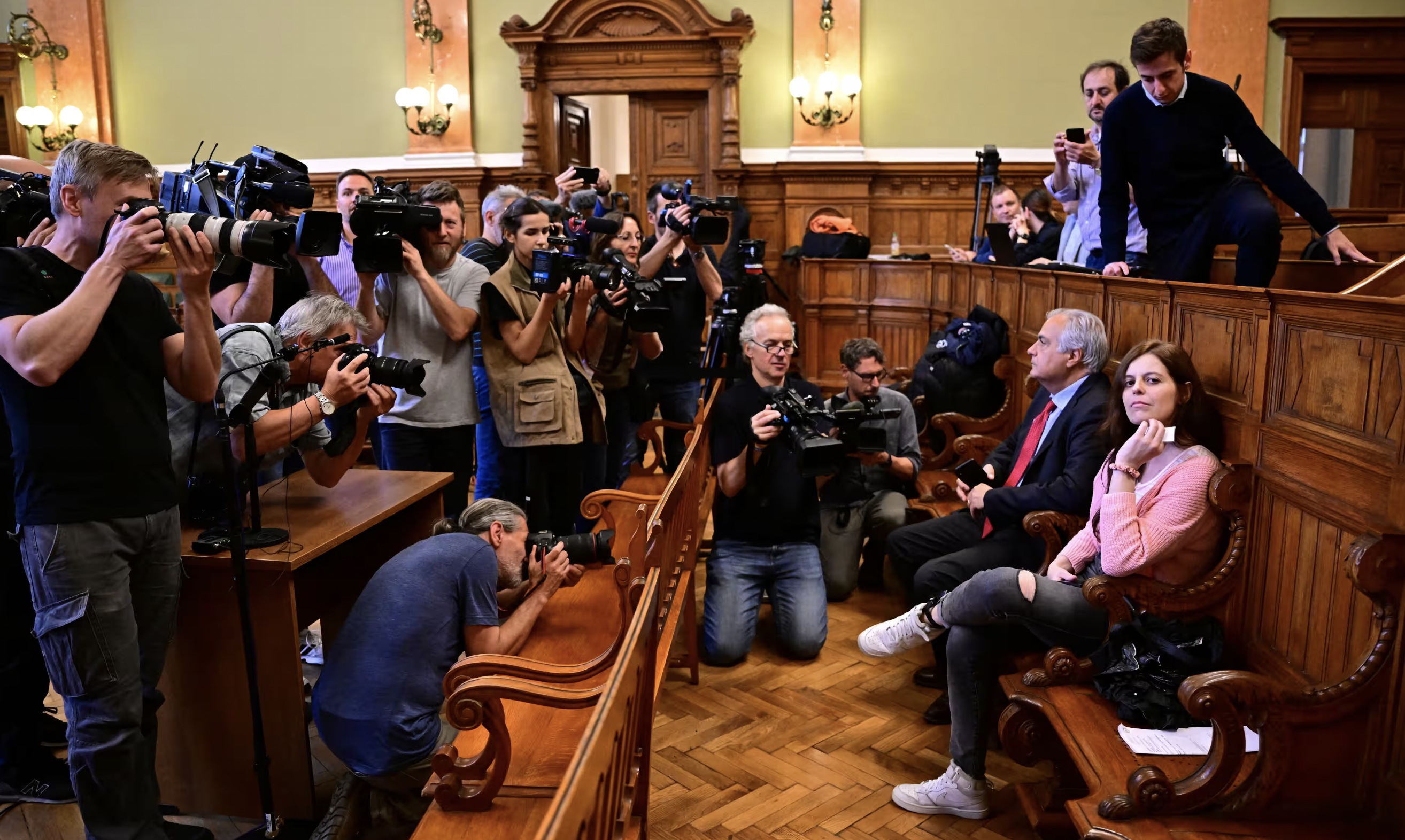
Malgrado tutto questo, nel mio caso (e spero anche in quello di Gino) si è verificato per una volta qualcosa di inaspettato, riuscendo a imporre un discorso che ha costretto anche molti liberali a prendere posizione, dimostrando come in realtà anche una lotta su posizioni più autonome e forti possa avere un seguito. In effetti, le nostre vicende hanno portato il discorso pubblico liberale a confrontarsi con le contraddizioni della società in cui viviamo. Poi anche qui restiamo nell’ambito della società dello spettacolo, tanto che nel mio caso – da quello che ho potuto ricostruire dopo la mia liberazione – quello che ha fatto la differenza è stata l’immagine delle catene ai miei polsi, abbastanza forte da impedire anche ai più moderati di nascondersi dietro all’ipocrisia costringendoli a seguirci su dei discorsi più avanzati.
Nel caso Sala le dure condizioni della sua detenzione sono state imputate all’Iran, regime autoritario molto diverso da noi – e così anche nel tuo caso ci si diceva vabbè, è pur sempre l’Ungheria, vabbè, è Orban. Non pensi che si voglia sempre attribuire il problema a qualcun altro, mentre anche qui in Italia la situazione è terribile – quasi 90 suicidi di detenuti solo nel 2024?
La situazione italiana è assolutamente drammatica. Il numero dei suicidi che citi è il più alto da quando si è iniziato a registrarne il dato, quindi almeno dagli anni Novanta. Io stessa, da quando sono eurodeputata e posso visitare liberamente le carceri, ne ho visitate varie specialmente nel Nord e ho potuto rendermi conto della gravità della situazione, ben al di là dei “soli” suicidi che sono il dato più lampante. Trovo assolutamente inaccettabile che un paese che voglia definirsi civile tolleri tutto questo e non faccia nulla di concreto. Anzi, il ministro della giustizia Nordio ha recentemente rifiutato ogni possibilità di amnistia perché sarebbe “un segno di debolezza dello stato” e un incentivo alla recidiva. La verità, al contrario, è che proprio a causa dell’approccio punitivo e non riabilitativo dell’attuale sistema giudiziario e carcerario il tasso di recidiva in Italia è al 70%. Di fronte a tutto questo occorre che ci iniziamo ad assumere collettivamente delle responsabilità, senza scuse né giustificazioni.
Resta invece questa tendenza un po’ colonialista di cercare un nemico esterno e demonizzare l’altro, che sia l’Ungheria o l’Iran. Creiamo l’immagine di un mostro che non c’entra nulla con noi proprio perché non vogliamo vedere quelli che ci sono molto più vicini. E questo non significa che le carceri ungheresi e ancora di più quelle iraniane non siano ben peggiori di quelle in Italia, ma comprendere che dobbiamo aprirci ad una critica radicale anche al sistema italiano. A conti fatti, il carcere è sempre carcere, ovvero un’istituzione pensata per annientare l’umanità delle persone e questo è vero a prescindere da dove si trovi e dalla durezza del sistema. Una società giusta dovrebbe impegnarsi a guardare oltre e per questo l’ottica con cui io anche mi sto occupando del tema è proprio quello della sua abolizione.
Proprio su questo tema hai concentrato una buona parte del tuo lavoro al Parlamento europeo. Perché credi che questo passaggio sia auspicabile e come credi possa essere messo in pratica?
Come dicevo, io sono convintamente abolizionista e intendo continuare a portare questo discorso nel mio lavoro istituzionale. Il problema è che in Italia questo tema è ancora marginale rispetto ad altri paesi, probabilmente anche perché a differenza degli Stati Uniti non abbiamo avuto una lotta radicale come quella per l’abolizione della schiavitù. Anche lì, quando nell’Ottocento qualcuno toccava l’argomento era visto come fuori dal mondo, mentre nessuno in questo momento si esporrebbe per sostenere che gli esseri umani possano essere schiavizzati, essendo un trattamento universalmente considerato inumano. La stessa cosa potrebbe accadere con l’abolizione delle carceri, un tema che va posto come propositivo perché implica anche il ripensamento della società stessa, passando per un processo graduale.
Nei Paesi Bassi, per esempio, sono stati chiusi la metà dei penitenziari passando per la depenalizzazione di svariati reati minori, trasformati in semplici infrazioni amministrative. A questo poi si possono aggiungere incentivi per l’utilizzo di misure alternative e tutta una serie di altri provvedimenti che in definitiva rientrano in un discorso di giustizia trasformativa. Con questo termine mi riferisco all’azione sulle condizioni materiali che sono la causa di questo tipo di crimini; anziché buttare la gente in cella, è essenziale intervenire sulle disuguaglianze sociali perché la maggior parte delle persone che sono in carcere – in Italia ma anche in Ungheria – ci sono finite per piccoli reati contro il patrimonio, fondamentale perché sono poveri. Anche per questo sono convinta che tale battaglia possa portare alla convergenza di movimenti anche molto diversi tra loro, che siano libertari, anarchici e comunisti, ma è un tema che potrebbe attirare anche certi settori liberali.
Original source: https://www.iconografie.it/tempolinea/autonomia-del-sociale/