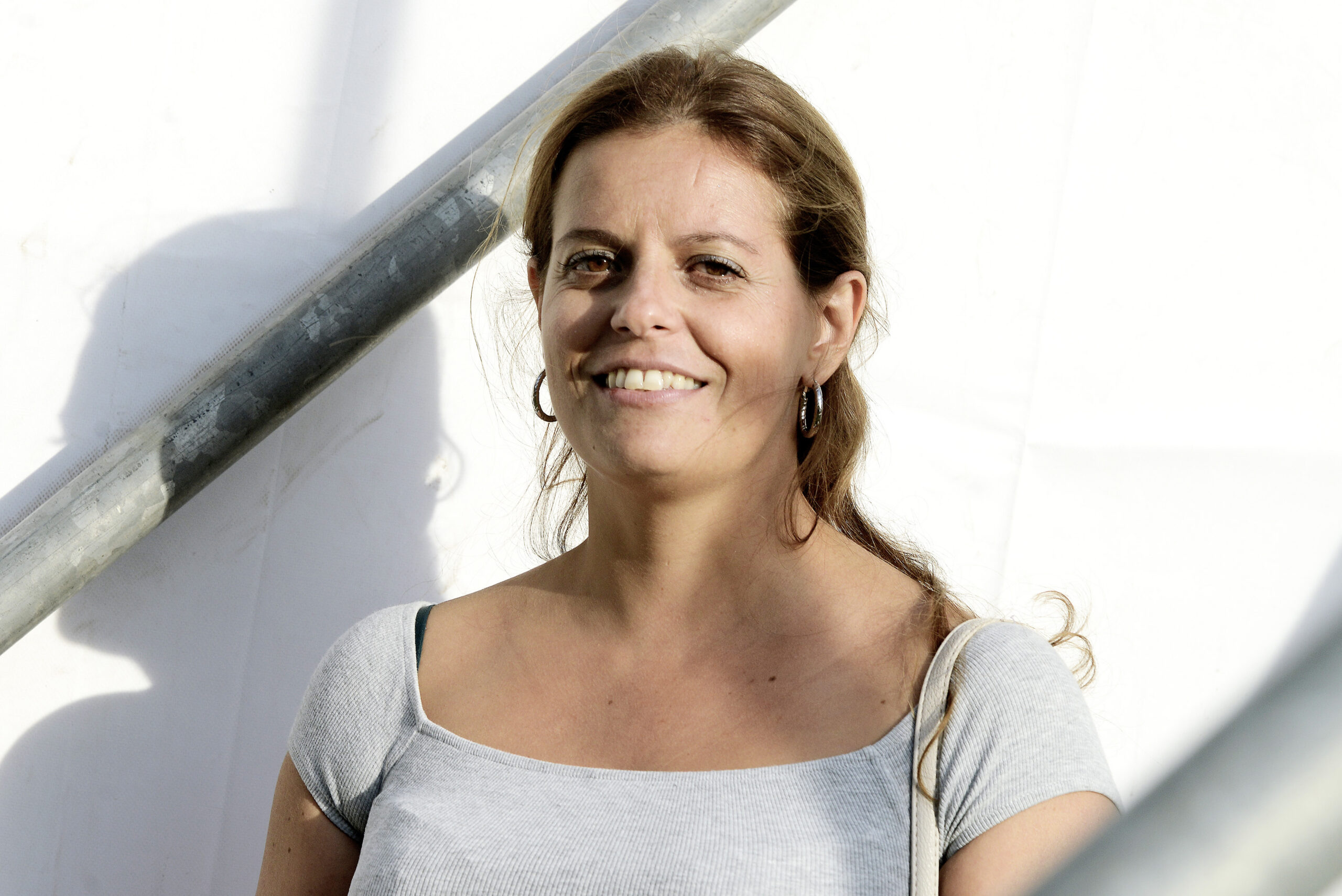
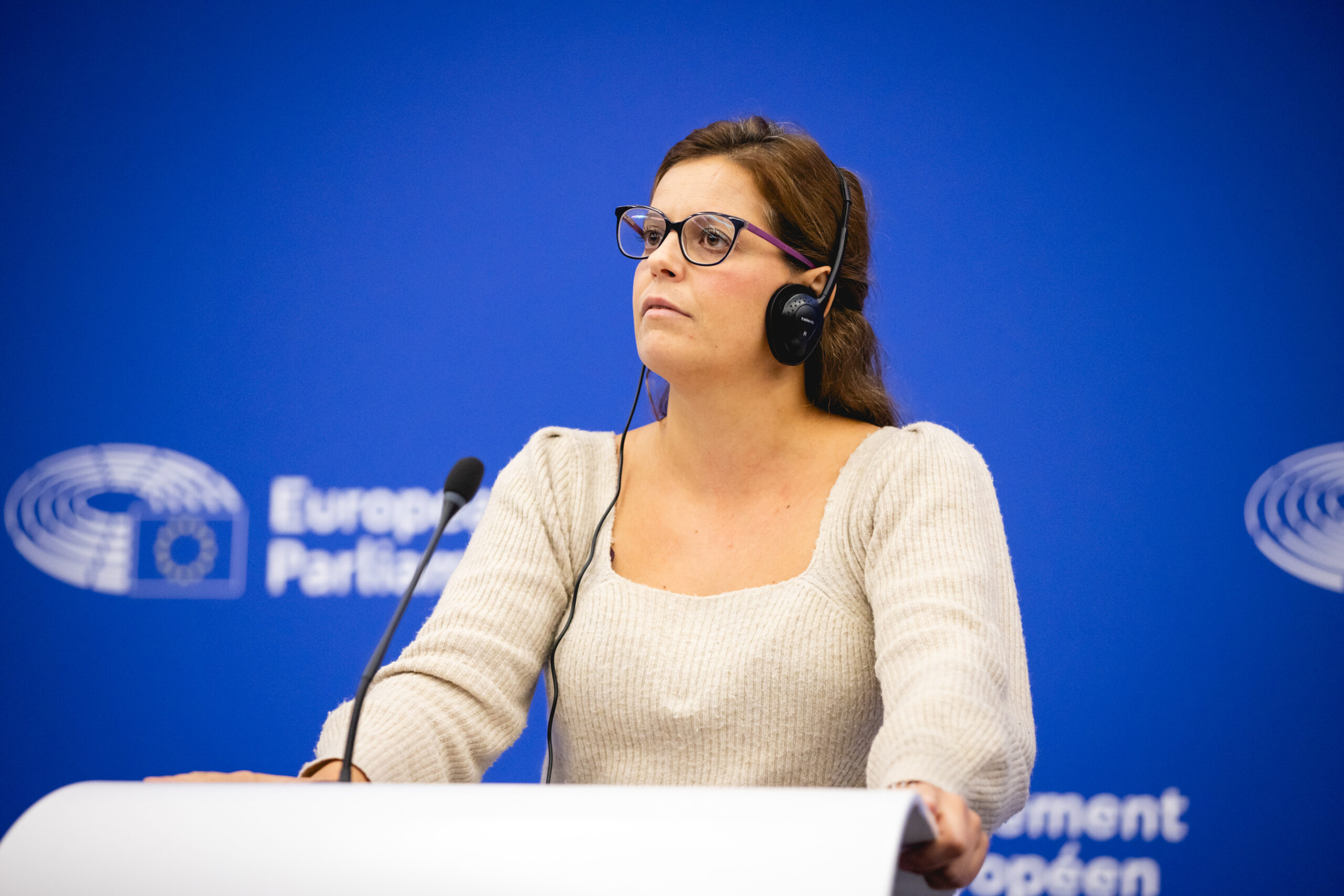
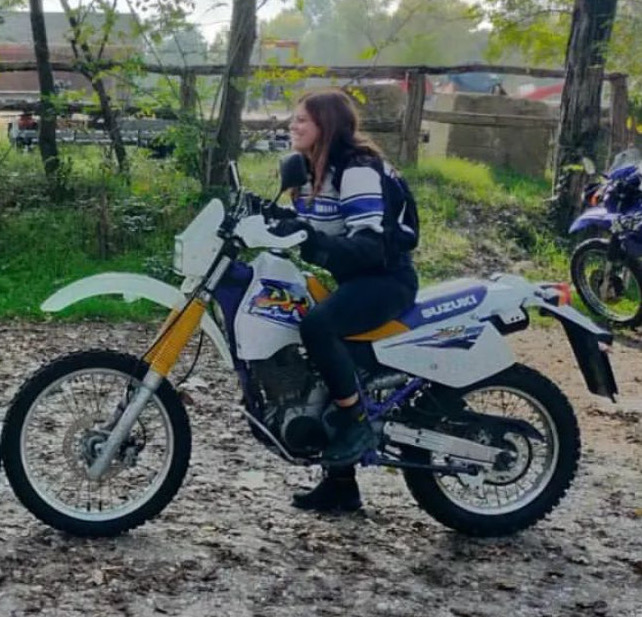
Ilaria Salis was born in Milan in 1984 and grew up mostly in Monza.
In 1992 she moved with her family to the United Kingdom, where she stayed until 1995. She attended English schools and learned, besides Her Majesty’s imperialist language, how to tie a necktie — with excellent results.
Between 1997 and 2002 she attended the Liceo Classico Zucchi in Monza, graduating with top marks. Those were years spent devouring Latin translations and Greek tragedies, while also developing a growing interest in political and social issues.
In 2002 she enrolled in Historical Sciences at the University of Milan. During the school year she tutored students in Latin and Greek; in the summer, she worked as an educator in children’s camps.
Curious, restless, and driven by a tangle of interests — from theatre to sports to political activism — Ilaria soon found her way into grassroots collectives and social centres. At twenty, she joined a solidarity caravan to Palestine as part of an internationalist popular sports project. It was a powerful experience, marked by direct exposure to colonial violence, leaving a lasting imprint on her path.
After earning her Bachelor’s Degree with Honours in 2005, she began working as an educator in services for children and adolescents in Milan and its so-called “difficult” suburbs — a job as precarious and underpaid as it was deeply rewarding on a human level.
A practical, empathetic woman with little tolerance for empty rhetoric, Ilaria believes in stepping forward herself — and doing so collectively. In the following years she becomes actively engaged in social movements, especially in struggles for housing rights, in the fight against the high-speed rail project in the Susa Valley (the No TAV movement), and in antifascist mobilisations.
In 2018 she decided to resume her studies and, in 2021, earned a second Bachelor’s Degree in Philology, Literature and History of Antiquity, completing the credits required for teaching. Around the same time, she began working as a substitute teacher in kindergartens and primary schools, in classes composed almost entirely of children of migrant background — a wonderful daily exercise in anti-racism and intercultural exchange.
During the Covid pandemic, she joined a grassroots solidarity network of young volunteers who delivered groceries and food parcels to vulnerable people in a Milan paralysed by lockdowns. In 2022 she began teaching Italian and Latin in high schools as a substitute teacher — a role she embraced with enthusiasm, grateful for the chance to share her love of language and literature with her students.
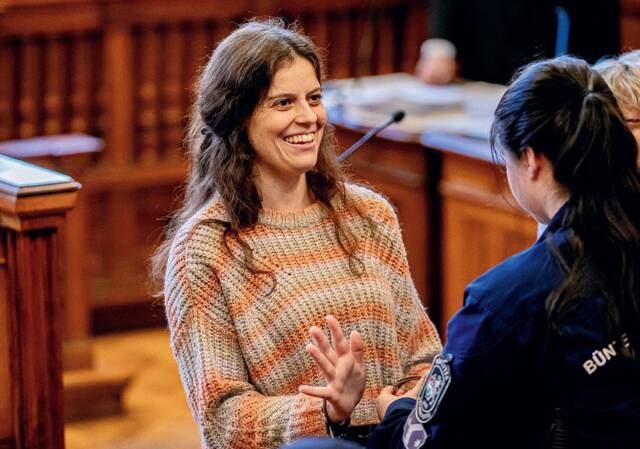
But in February 2023, on the margins of an antifascist demonstration against the neonazi parade so-called “Day of Honour,” she was arrested in Budapest. She spent more than fifteen months in a Hungarian prison, in harsh and Kafkaesque conditions that strengthened her resolve to fight for human and political rights — and for social justice.
The imprisoned Ilaria became a symbol of antifascist resistance against the most authoritarian regime in Europe, inspiring tens of thousands of people to mobilise for her release.
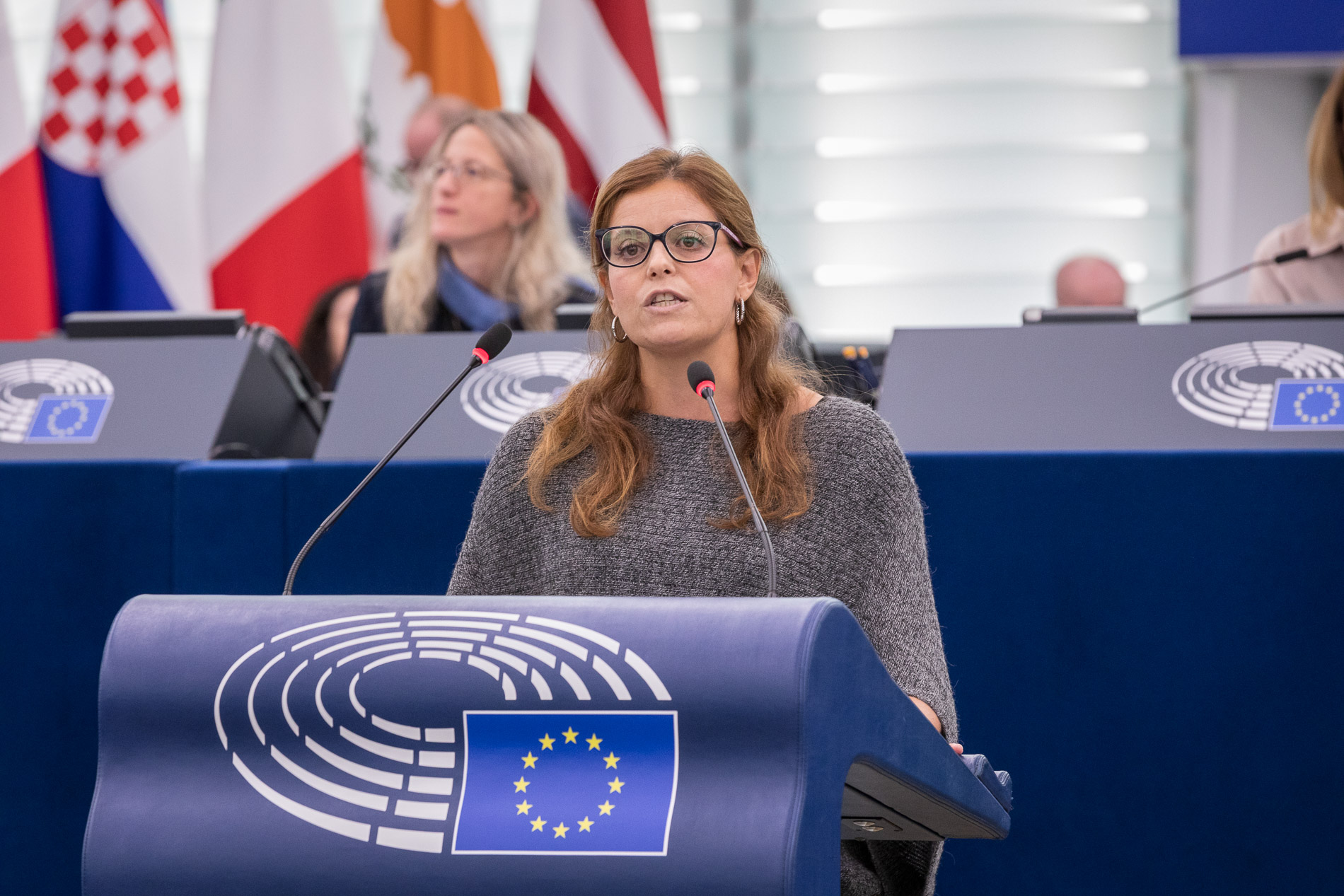
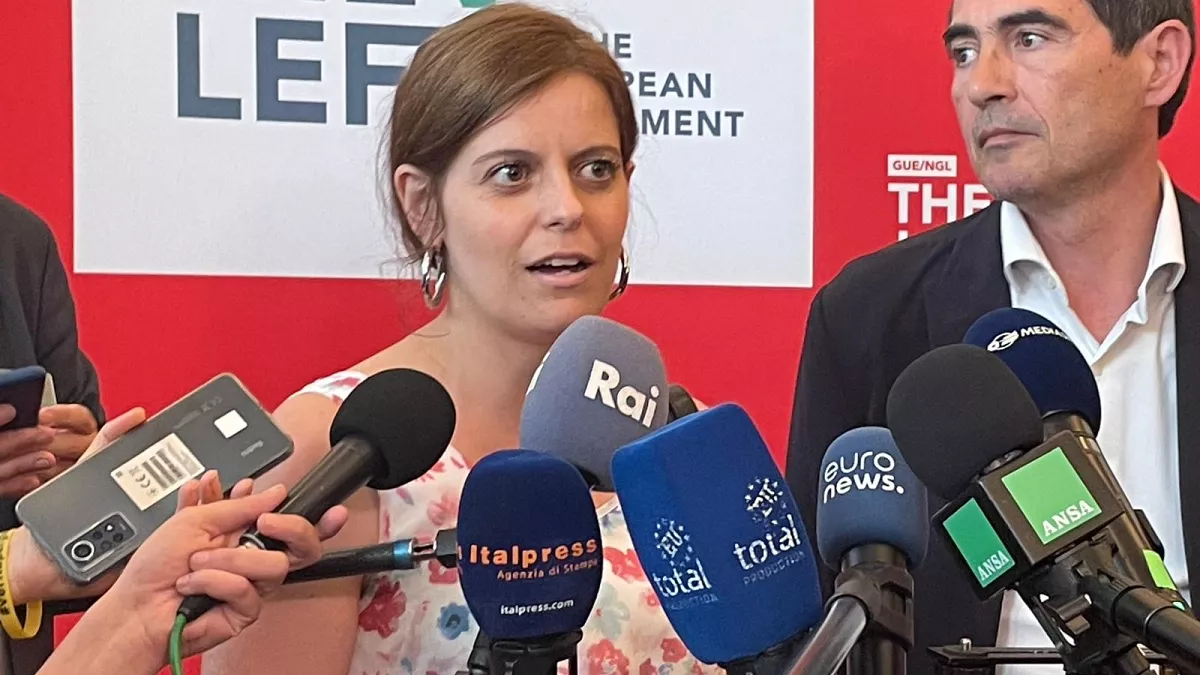
In June 2024 she was elected to the European Parliament with over 175,000 votes in the North-West and Islands constituencies. She was then freed and, on a midsummer evening, returned to Italy.
Today, in her new and unexpected role as a Member of the European Parliament, Ilaria continues to fight for freedom through equality and to bring the progressive energy of social movements into the heart of the institutions.
On 11 February 2025, two years after her arrest, Feltrinelli published
Vipera, her first-person account of the Hungarian ordeal.